
AIMIX Construction Machine Solutions
How Static Concrete Pumps Support Water Pipeline Infrastructure in South Africa
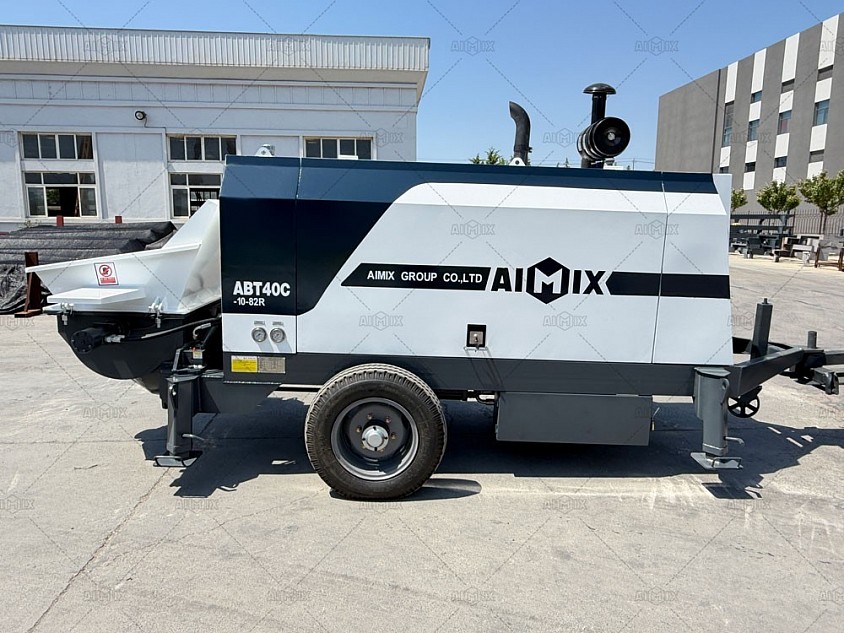
Water pipeline infrastructure in South Africa often extends across long corridors, uneven terrain, urban districts, agricultural areas, and developing communities. Concrete is required at several stages of these projects, including pipe bedding structures, valve chambers, thrust blocks, culverts, pump stations, access structures, and reinforced concrete protection works. Because these structures are frequently separated from convenient truck access, concrete placement can become a logistical issue rather than simply a production task.
Static concrete pump for sale South Africa provides a practical way to move fresh concrete from a mixer or batching plant to the actual pouring point through a connected delivery pipeline. Instead of positioning a large vehicle beside every structure, contractors can establish a fixed pumping route and place concrete over longer distances or into restricted areas. This makes pump configuration, pipeline routing, output matching, and site access important considerations when planning concrete work for water pipeline infrastructure.
Why Water Pipeline Projects Require Controlled Concrete Placement
Long Pipeline Corridors Create Scattered Pouring Locations
A water pipeline project may cover many kilometers, while concrete works are concentrated at specific points along the route. Valve chambers, anchor blocks, inspection structures, crossings, and pump stations may be located far apart. The concrete demand at each location can also vary significantly.
For these conditions, a static pump can remain positioned at a suitable working point while delivery pipes are extended toward the structure. This arrangement reduces the need to move heavy pumping equipment repeatedly and can provide a more orderly concrete placement process.
Restricted Access Can Make Truck Positioning Difficult
Pipeline construction frequently passes through narrow roads, developed neighborhoods, agricultural land, or excavated corridors. A concrete mixer truck may reach the general work area but still be unable to approach the exact discharge point.
In such cases, a stationary concrete pump for sale can be considered when the project requires a dedicated pumping setup. The pump transfers concrete through pipelines, allowing the pouring location to be separated from the equipment position.
How Static Pumps Fit Different Water Infrastructure Structures
Valve Chambers and Thrust Blocks
Valve chambers and thrust blocks usually involve relatively confined work areas. Reinforcement, formwork, and underground excavation can leave little room for concrete delivery vehicles. A pipeline connected to a stationary concrete pump can deliver concrete directly into the prepared structure.
Pipeline Routing Matters
Efficient pumping depends on more than pump output. Pipe diameter, horizontal conveying distance, vertical sections, bends, and the concrete mix itself all influence pumping resistance. A shorter and smoother pipeline route can help maintain stable material flow and reduce unnecessary pressure losses.
Pump Stations and Larger Reinforced Structures
Pump stations and water-control structures can require larger and more continuous concrete placements. Their construction may involve foundations, walls, slabs, channels, and other reinforced elements.
For projects with repeated high-volume pours, a concrete line pump for sale South Africa may be evaluated according to required output, pumping distance, concrete mix characteristics, and the expected duration of site operation. The selection should correspond to the actual placement cycle rather than maximum theoretical output alone.
Choosing Pumping Equipment for Changing Pipeline Work Areas
Static Pumps for Concentrated Construction Zones
When several concrete structures are constructed within one concentrated section of a water infrastructure project, a static pump can provide a stable pumping base. Once the pipeline arrangement is established, crews can focus on concrete placement rather than repeatedly repositioning a large pumping vehicle.
This approach can be particularly useful where concrete is supplied from a nearby batching plant and several structures require sequential pours. The pumping system becomes part of the site's temporary concrete distribution network.
Mobile Pumps for More Frequent Relocation
Not every pipeline project has a concentrated work zone. Some projects progress continuously along a corridor, requiring equipment to move as construction advances.
A concrete pump mobile South Africa contractors consider for such work can provide greater relocation flexibility. The choice between mobile and static equipment depends on how frequently the pouring point changes, how accessible the route is, and whether the project has repeated concrete work at established stations.
Equipment Mobility Should Match the Construction Sequence
If relocation occurs every few days, mobility becomes a major operational factor. If the same area requires concrete work for several weeks, a static arrangement may offer a more suitable workflow. The construction sequence should therefore be considered together with pumping requirements.
Where Concrete Pump Trucks Fit Water Pipeline Construction
Rapid Placement at Accessible Sites
Concrete pump trucks can be useful where road access is adequate and the boom can reach the required placement area. They combine pumping equipment and a vehicle chassis, reducing the need for a separate towing or transport arrangement.
For contractors comparing a concrete pump truck for sale in south africa, boom reach, site access, working radius, concrete output, and transportation requirements should be reviewed together. A truck-mounted solution can be advantageous for accessible structures, while pipeline-based static pumping can be more practical where the pouring point is separated from vehicle access.
Matching Equipment to the Water Infrastructure Layout
The most suitable concrete pumping arrangement depends on the physical relationship between the batching point, access road, pump location, pipeline corridor, and final pouring point. A simple valve chamber may require a different setup from a large pump station or long-distance pipeline crossing.
For South African water infrastructure projects, this means pump selection should be based on the actual construction layout. Static pumps can support controlled concrete delivery where fixed pumping routes are practical, while mobile and truck-mounted systems provide alternatives when relocation or direct vehicle access is more important.
How Concrete Batch Plant Manufacturers Support Project Engineering in Saudi Arabia
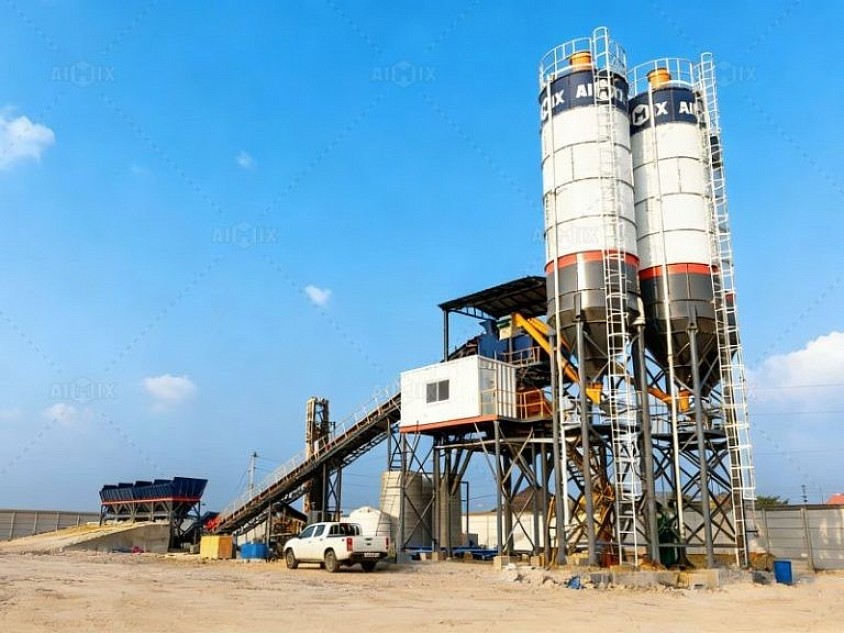
Concrete production is closely tied to project engineering in Saudi Arabia, particularly on infrastructure, industrial, commercial, residential, and large-scale development projects. A batching plant is not simply a machine that produces concrete. Its configuration affects material flow, site layout, production continuity, aggregate storage, concrete quality, maintenance access, and the coordination between concrete supply and construction schedules. For this reason, contractors often evaluate concrete batch plants manufacturers according to more than equipment specifications. Engineering support, plant configuration, installation requirements, automation, and adaptation to project conditions can all influence how effectively the concrete production system integrates into the wider construction plan.
Saudi projects can also vary considerably in scale and geography. A major infrastructure project may require continuous high-volume concrete production, while a remote construction site may prioritize transportability and rapid installation. Urban projects can face restricted footprints and complicated vehicle circulation. These differences mean that plant selection should begin with the project's concrete demand and engineering constraints rather than with a standard equipment model alone.
Translate Project Requirements Into a Concrete Production System
Production Capacity Should Follow the Construction Schedule
The first engineering consideration is the amount of concrete required over a defined working period. Peak pouring demand, average daily consumption, project duration, and the number of simultaneous concrete operations all influence the appropriate plant capacity. A plant that produces considerably more concrete than the project can consume may create unnecessary material and logistical pressure, while inadequate capacity can interrupt critical pours.
Material Storage Must Match the Production Rhythm
Aggregates, cement, water, and admixtures must reach the batching system in a controlled sequence. Aggregate bins require sufficient storage for the planned production cycle, while cement and admixture systems need to accommodate the concrete mix designs specified by the project. Manufacturers can help engineers coordinate these components so that storage, weighing, batching, and discharge operate as one production chain.
Automation Can Improve Process Coordination
Modern batching systems can integrate weighing, dosing, mixing, recipe management, and production monitoring through automated controls. This gives project teams a clearer view of material consumption and batching sequences. For projects with multiple concrete grades or frequent mix changes, centralized control can also reduce unnecessary manual intervention.
Adapt Plant Configuration to Saudi Site Conditions
Stationary Plants Suit Long-Term High-Volume Projects
A concrete batching plant in Saudi Arabia may be configured as a stationary production system when a project has a stable site, substantial concrete demand, and a relatively long construction period. Large buildings, industrial facilities, bridges, and infrastructure developments can benefit from a dedicated production area with organized aggregate storage, cement silos, truck circulation, and maintenance access.
Mobile Systems Support Projects With Changing Work Locations
A mobile concrete batching plant for sale provides a different engineering approach when concrete production needs to move as construction progresses. Its configuration can be designed around transport dimensions, installation procedures, aggregate feeding, power requirements, and relocation frequency. This can be relevant to road, pipeline, utility, and distributed infrastructure projects where the concrete demand point changes over time.
Transport Logistics Should Be Considered During Design
Plant dimensions and component arrangement influence how equipment reaches the project site. Engineers may need to consider container loading, road transport, lifting requirements, assembly procedures, and the availability of cranes or other handling equipment. Addressing these factors before shipment can reduce unnecessary modifications during installation.
Integrate the Plant With the Wider Construction Workflow
Site Layout Is Part of Concrete Plant Engineering
A batching plant occupies more than the footprint of the mixer itself. The engineering plan should account for aggregate stockpiles, loader movement, cement-silo positioning, concrete truck access, maintenance zones, electrical equipment, drainage, and safe operator movement. A carefully arranged site can reduce unnecessary vehicle crossings and make material replenishment more predictable.
Portable Configurations Can Simplify Temporary Production Sites
A portable concrete plant for sale can be considered when a project requires temporary or relocatable concrete production without establishing a permanent industrial installation. The engineering focus shifts toward modularity, transportability, rapid assembly, and the ability to connect the plant with the available material and power infrastructure. This approach can be useful for projects where the production location is expected to change during construction.
Concrete Delivery Should Be Connected to the Pouring Plan
The plant's output should correspond with the capacity of the concrete delivery and placement system. If concrete trucks cannot be loaded quickly enough, the concrete batching plant in Saudi Arabia becomes a bottleneck. If the plant produces concrete faster than the available pumps or placing crews can consume it, vehicle queues and scheduling problems may occur. Engineering the production system therefore requires consideration of what happens after concrete leaves the mixer.
Engineering Support Extends Beyond Equipment Supply
Installation Planning Influences Project Startup
Manufacturers can support project teams by providing equipment layouts, foundation requirements, connection information, electrical specifications, assembly instructions, and commissioning guidance. These details allow civil, mechanical, and electrical teams to coordinate their work before the plant reaches the site. Early coordination is particularly important when the batching system forms part of a larger construction compound.
After-Sales Support Can Affect Long-Term Plant Operation
Concrete production is a repetitive process, so maintenance and spare-parts planning should be considered during the engineering stage. Wear components, weighing systems, sensors, control cabinets, pneumatic components, and mixing equipment all require appropriate maintenance procedures. Training operators and establishing troubleshooting procedures can help maintain stable production after commissioning.
Engineering Should Anticipate Future Project Changes
Large Saudi construction projects can develop through several stages, with concrete demand changing as foundations, structures, infrastructure, and finishing works progress. A well-planned batching system should therefore be evaluated not only against today's production requirement but also against foreseeable changes in output, mix types, operating hours, and site organization. The manufacturer's role can extend from equipment selection to configuration, installation, commissioning, and operational support, helping the concrete production system remain aligned with the project's engineering requirements.
When Does Transport Cost Change the Economics of Concrete Production in Ghana?
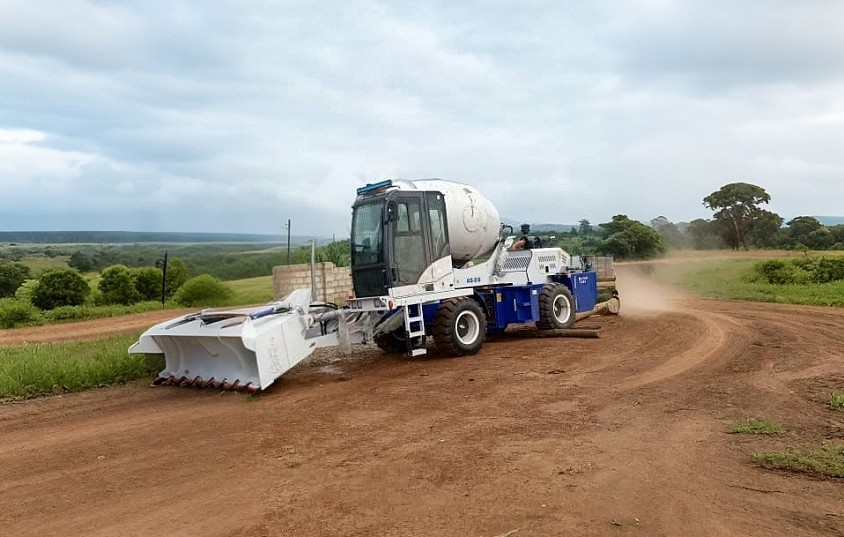
For many construction projects in Ghana, the cost of concrete is influenced by more than cement, aggregates, and mixing. Transportation can become a decisive variable when the jobsite is far from a commercial batching plant, when roads are difficult to access, or when concrete is required in relatively small and irregular quantities. A low quoted concrete price may therefore conceal substantial logistics costs. Once delivery distance, truck utilization, waiting time, fuel, and scheduling risks are included, producing concrete closer to the project can become economically attractive. The key question is not whether transportation costs money—they always do—but when those costs become large enough to justify a different concrete production model.
How Transport Distance Changes the Real Cost of Concrete
Concrete Price Is Only One Part of the Supply Cost
When contractors compare concrete suppliers, the initial quotation often receives the most attention. However, the delivered cost can be considerably higher than the material price alone. A typical concrete delivery involves batching, loading, transportation, waiting, unloading, and the return journey. Each stage consumes time and operating resources. As the distance between the batching plant and construction site increases, transportation becomes a larger component of the total cost. This is particularly relevant for projects outside major urban centers. A contractor may obtain an attractive concrete quotation from a distant supplier, but the economic advantage can narrow once delivery charges and longer truck cycles are included.
Longer Truck Cycles Reduce Delivery Efficiency
A mixer truck that spends a long period traveling between the supplier and jobsite completes fewer delivery cycles during the working day. This reduces vehicle utilization and can make it harder to maintain a steady concrete supply. The effect becomes more noticeable when several trucks are required for a continuous pour. A delay involving one vehicle can create gaps in the delivery sequence, potentially affecting workers, pumps, formwork, and finishing operations.
Distance Creates a Logistics Multiplier
Consider two otherwise similar projects. One is located close to a batching plant, while the other requires substantially longer travel. The concrete mix may cost the same per cubic meter, but the logistics surrounding each cubic meter are different. The farther project consumes more truck time, more fuel, and more scheduling capacity for every delivery.
When On-Site Concrete Production Becomes More Competitive
Small and Irregular Projects Can Expose the Weakness of External Supply
Large projects with predictable concrete demand can often spread transportation costs efficiently across many deliveries. Smaller projects have less flexibility. A contractor may need only a few batches for foundations, drainage structures, rural roads, agricultural buildings, or scattered construction works. In such situations, minimum delivery requirements and truck mobilization costs can represent a relatively large share of the concrete expenditure. A self loading concrete mixer for sale in Ghana offers an alternative by allowing the contractor to load raw materials and produce concrete closer to the work area. Instead of repeatedly bringing finished concrete from a distant supplier, the contractor can bring the production equipment and raw materials to the project.
Production Can Follow Actual Demand
One advantage of localized production is that concrete output can be adjusted to the construction sequence. If a project requires a limited quantity in the morning and another quantity later in the day, production can follow that rhythm. This can reduce the need to coordinate multiple external deliveries and may limit the risk of unused ready-mix concrete. The economic benefit becomes stronger when the contractor works on several nearby projects. A mobile mixer can potentially move between sites, increasing equipment utilization rather than remaining permanently attached to one location.
How to Evaluate the Economics Before Investing
Compare Delivered Concrete With Total On-Site Production Cost
A meaningful comparison should include all relevant costs rather than comparing a supplier's concrete quotation with the purchase price of equipment. For external ready-mix supply, contractors can consider:
Concrete price per cubic meter
Delivery and transportation charges
Minimum order requirements
Truck waiting and standby costs
Potential concrete waste
Scheduling and delivery reliability
For self-production, the calculation should include raw materials, fuel, labor, maintenance, depreciation, financing where applicable, and equipment utilization. The objective is to determine the cost of producing and placing usable concrete at the actual jobsite.
The Price of Equipment Should Be Viewed Through Utilization
The price of self loading concrete mixer is an important investment consideration, but it should not be evaluated in isolation. A machine that is used frequently across multiple projects has a different economic profile from one used only occasionally. For contractors with recurring concrete requirements, utilization can spread the equipment investment over a larger volume of produced concrete. This makes the business case increasingly relevant when transportation distances are long and external concrete supply is repeatedly required.
Calculate the Break-Even Point
A simple comparison can start with the difference between externally delivered concrete and self-produced concrete. If external supply costs substantially more because of transportation and delivery constraints, the contractor can estimate how many cubic meters of concrete must be produced before the equipment investment becomes economically meaningful. The calculation should also account for the equipment's useful operating life and expected annual utilization rather than focusing on one project.
Consider More Than the Purchase Price
Contractors researching a concrete mixer price in Ghana should also examine the machine's capacity, fuel consumption, loading method, maintenance requirements, spare-parts availability, operator requirements, and suitability for local working conditions. A lower purchase price does not automatically create lower operating costs. Similarly, a higher initial investment may be justified if the machine provides greater productivity, reliability, or utilization across multiple projects. The best equipment is the one whose operating economics match the contractor's actual workload.
When Transport Costs Become the Deciding Factor
Distance, Volume, and Frequency Must Be Considered Together
There is no single transport distance at which on-site production automatically becomes cheaper. The economics depend on several interacting variables. A short-distance project requiring thousands of cubic meters may still favor ready-mix delivery because high-volume batching and truck utilization can be efficient. Conversely, a relatively modest project located far from a concrete supplier may face much higher logistical costs. Three factors are particularly important:
Distance: How far must concrete travel?
Volume: How much concrete is required?
Frequency: How often will concrete be needed?
When distance and delivery frequency increase while project volumes remain fragmented, the case for localized production becomes stronger.
Investing in a Self Loader Mixer for Construction Can Reduce Logistics Dependence
For contractors working repeatedly in remote or dispersed locations, investing in a self loader mixer for construction can provide more than an alternative source of concrete. It can create greater control over the timing, quantity, and location of production. This can be particularly valuable for roadwork, rural infrastructure, foundations, drainage, and small-to-medium building projects where commercial batching plants may not be conveniently located. The equipment does not eliminate all production costs. It changes where those costs occur and gives the contractor greater control over the supply process.
The Economic Question Is About Delivered Concrete, Not Factory Concrete
Transport becomes economically significant when the cost of moving concrete begins to rival or exceed the advantages of centralized production. Long distances, low-volume orders, irregular demand, difficult access, and repeated projects can all accelerate that point. For Ghanaian contractors, the decision between ready-mix delivery and self-production should therefore be based on the complete concrete supply chain. The relevant figure is not simply the quoted concrete price, nor is it the purchase price of a machine. It is the total cost of obtaining usable concrete at the construction site. When transportation becomes the dominant variable, localized production can offer a different economic pathway. A self loading mini concrete mixer can reduce dependence on long-distance concrete deliveries while allowing production to follow the actual rhythm of construction. For contractors with sufficient project volume and equipment utilization, that flexibility can turn transportation from a recurring expense into a manageable part of their own production strategy.
Short-Term Hire or Long-Term Ownership: A UK Contractor's Concrete Mixer and Concrete Pump Equipment Decision
For UK contractors, deciding whether to hire or purchase concrete equipment is not simply a question of upfront cost. The decision can affect project scheduling, equipment availability, operating expenses, and the ability to respond to new work opportunities. A contractor completing one short-duration project may benefit from hiring equipment only when it is needed. Another contractor managing a continuous pipeline of housing, infrastructure, agricultural, or commercial projects may find that long-term ownership provides greater operational control.
The choice becomes more complex when several types of equipment are involved. A concrete mixer supports on-site production, while a concrete pump solves the challenge of moving fresh concrete to the placement area. Some contractors require equipment only for occasional pours. Others use it almost every week. Understanding how often the equipment will operate, where it will be used, and what work it must perform is the starting point for making a practical investment decision.
When Short-Term Equipment Hire Makes More Sense
Occasional Projects Do Not Always Justify Ownership
Hiring can be a practical option when concrete work represents only a small portion of a contractor's overall activities. A business that occasionally completes a foundation, extension, retaining wall, or small commercial project may not use concrete equipment frequently enough to justify purchasing and maintaining its own fleet.
Short-term hire allows contractors to access equipment for a specific project without committing capital to a machine that may remain idle for long periods. Once the concrete work is complete, the equipment is returned and the contractor can move on to other activities.
Hiring Provides Flexibility for Changing Project Requirements
Different projects require different levels of concrete production and placement capacity. A small residential foundation may require compact equipment, while a larger commercial project could need greater output or longer pumping distances.
Hiring allows contractors to select equipment according to each individual project. This reduces the risk of owning one machine that is either too large or too small for changing workloads.
Access to Specialized Equipment
Some projects require equipment with particular pumping capacity, compact dimensions, or mobility characteristics. Hiring can provide access to specialized machines without requiring a permanent investment in every equipment category.
This approach can be useful for contractors whose project portfolio changes significantly throughout the year.
When Long-Term Ownership Can Create Greater Value
Frequent Equipment Use Improves Asset Utilization
Ownership becomes more attractive when equipment is used consistently. A contractor completing multiple concrete projects each month can distribute the purchase cost across a greater volume of work.
Instead of repeatedly paying hire charges, the business can operate its own equipment whenever it is required. Over time, the economic comparison may shift in favor of ownership, particularly when the machine supports a continuous project pipeline.
A Self-Loading Mixer Can Support Independent Concrete Production
Contractors searching for a self loading concrete mixer UK may be looking for greater independence from external concrete supply arrangements. A self-loading mixer can combine material loading, batching, mixing, and transportation functions within one mobile machine.
This can be particularly useful for contractors working across multiple locations or handling projects where ready-mix delivery is expensive, inconvenient, or difficult to schedule. Rather than waiting for an external concrete supplier, the contractor can produce concrete according to the progress of the site.
Equipment Availability Can Improve Project Control
Owned equipment is available according to the contractor's own schedule, subject to maintenance and project planning. This can reduce dependence on rental availability during busy construction periods.
For a contractor operating a self loading mixer in UK across a regular sequence of projects, immediate access to the machine can improve responsiveness when project schedules change or additional concrete work becomes necessary.
Comparing the Real Costs of Hire and Ownership
Purchase Price Is Only One Part of Ownership
Buying a machine requires more than paying the initial purchase price. Contractors should also consider insurance, storage, maintenance, inspections, replacement parts, fuel, operator training, and eventual depreciation.
A concrete mixer UK investment should therefore be evaluated according to total ownership cost over its expected working life. A low purchase price can become less attractive if the machine has high maintenance requirements or spends most of the year unused.
Idle Equipment Has a Cost
A machine does not generate productive value simply because it is owned. If it remains parked for extended periods, capital is tied up while insurance, depreciation, and storage costs continue.
Contractors should therefore estimate annual operating hours before purchasing equipment. Utilization is often one of the clearest indicators of whether ownership makes financial sense.
Hiring Costs Can Accumulate Over Repeated Projects
Hiring avoids a major initial investment, but repeated rental expenses can accumulate. Mobilization charges, delivery costs, minimum hire periods, and equipment availability can also affect the final cost.
A contractor should compare projected annual rental expenditure with the estimated annual cost of owning and operating the same type of equipment. This comparison should cover several years rather than one isolated project.
Concrete Pumps Require a Separate Evaluation
Concrete pumping requirements can differ considerably from mixing requirements. A contractor may use a mixer frequently but require a pump only occasionally. In this situation, owning both machines may not be the most efficient strategy.
However, a contractor regularly completing foundations, slabs, or difficult-access projects may find that concrete pumps for sale in uk becomes a worthwhile investment. Frequent use can improve equipment utilization and reduce repeated hire dependence.
How UK Contractors Can Make the Right Equipment Decision
Start With the Project Pipeline
The most useful question is not, “Is hiring cheaper than buying?” It is, “How frequently will this machine generate productive work?”
Contractors should review completed projects, current contracts, and expected future work. If concrete production or pumping occurs regularly across the business, ownership may provide greater long-term value. If demand is unpredictable, hiring may preserve capital and flexibility.
Consider Combining Ownership and Hire
The decision does not always have to be entirely one or the other. Many contractors can benefit from a hybrid strategy.
For example, a business may own a concrete mixer that is used regularly while hiring a larger pump for occasional high-volume pours. This approach allows the contractor to maintain control over frequently used equipment without investing in machines that have limited annual utilization.
Match the Machine to the Core Workload
Long-term ownership is generally strongest when the equipment supports the contractor's most frequent and predictable activities. Specialized or rarely used equipment can often remain in the hire category.
This creates a more balanced equipment portfolio and prevents capital from being absorbed by machines with limited productive use.
The Best Choice Depends on Utilization and Control
For UK contractors, the hire-versus-buy decision ultimately depends on project frequency, equipment utilization, available capital, and the importance of operational independence. Hiring can reduce initial financial commitment and provide flexibility for occasional or specialized work. Ownership can offer greater scheduling control and potentially lower long-term costs when equipment is used consistently.
Whether considering a self loading concrete mixer, a conventional concrete mixer, or a concrete pump, contractors should evaluate the complete operating cycle. Purchase price or hire rate alone does not provide the full answer. The most appropriate decision is the one that matches equipment investment to actual workload, allowing the machine to contribute productive value throughout its working life.
```
How Contractors Organize Concrete Production for Bridges Along Long Road Projects
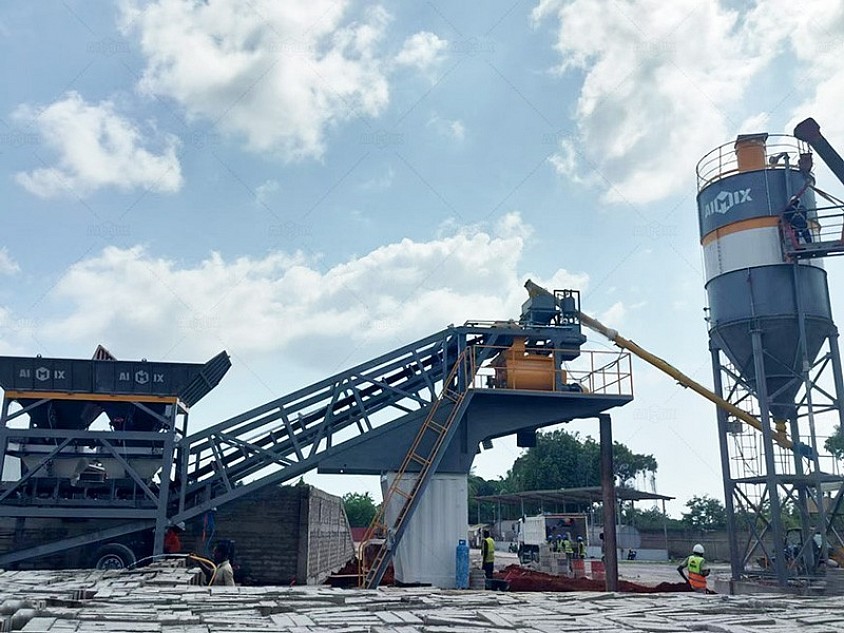
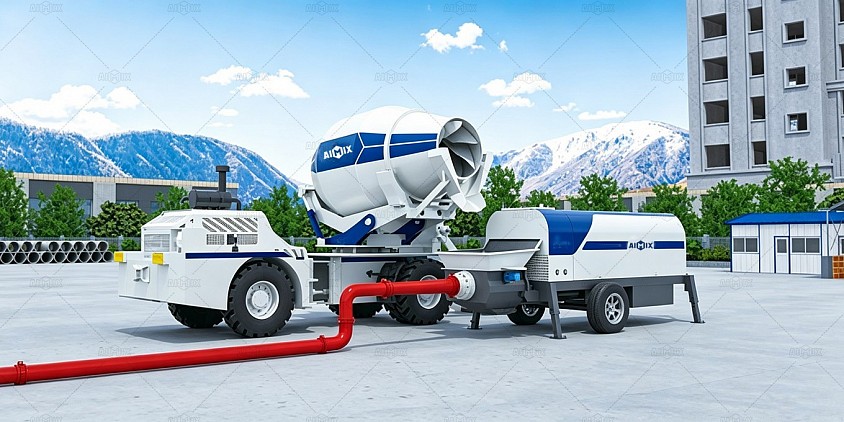
Bridge construction along long road projects creates a distinctive concrete supply challenge. Unlike a single building project, bridge structures may be distributed across dozens or even hundreds of kilometers. Culverts, small bridges, overpasses, river crossings, and drainage structures can be located far from one another, while the active construction zone gradually moves along the road corridor. Transporting fresh concrete from one fixed production point to every structure may therefore become increasingly inefficient as the distance expands.
Contractors usually organize concrete production around the location, scale, and construction sequence of each bridge. A central concrete plant in Tanzania may support high-volume work in one area, while mobile and portable equipment can provide concrete closer to distant structures. A mobile batching plant in Tanzania, a portable concrete plant in Tanzania, or a self loading concrete mixer in Tanzania can each serve different parts of the road project. The most effective arrangement depends on concrete demand, transport distance, site access, and how quickly the construction front moves.
Why Long Road Projects Need a Flexible Concrete Production Strategy
Bridge Structures Are Distributed Along the Construction Corridor
A long highway project rarely concentrates all bridge work in one location. Small drainage bridges may be separated by several kilometers, while major river crossings can be located much farther away from the main construction camp.
This geographical dispersion changes the economics of concrete supply. A fixed production facility may be efficient for nearby structures but less practical when fresh concrete must travel long distances to reach another bridge site. Travel time, road conditions, vehicle availability, and traffic can all affect delivery reliability.
Concrete Demand Changes as the Project Moves Forward
Concrete consumption also changes during different stages of bridge construction. Foundation work may require large quantities of structural concrete, followed by piers, abutments, beams, decks, barriers, and other components.
Demand is therefore not always continuous. One construction section may require intensive production while another is still being excavated or prepared. Contractors need a supply system capable of adapting to this uneven production rhythm.
Production Location Can Be as Important as Production Capacity
A high-capacity plant does not automatically provide the most efficient solution if it is positioned far from the active bridge site. As construction progresses, the distance between the production point and placement area can increase substantially.
For this reason, long road projects often require contractors to consider where concrete is produced, not simply how much can be produced per hour.
Equipment Used to Supply Concrete for Bridge Foundations and Structures
Concrete Plant in Tanzania for Centralized Production
A concrete plant in Tanzania can serve as a central production facility for major bridge construction zones. This arrangement is particularly suitable when several structures are located within a manageable delivery radius or when a major bridge requires continuous, high-volume concrete supply.
Aggregates, cement, water, and other materials can be organized at one production point, allowing concrete to be produced according to established mix designs. Centralized batching can also simplify quality management when large quantities of structural concrete are required.
For major bridge foundations, piers, abutments, and deck sections, a dedicated concrete plant can provide the sustained production capacity needed to support intensive construction schedules.
Mobile Batching Plant in Tanzania for Moving Construction Fronts
A mobile batching plant in Tanzania becomes valuable when bridge construction activities gradually shift along a long road corridor. Instead of maintaining one permanent production point throughout the project, the plant can be relocated closer to the next group of structures.
This reduces the distance between concrete production and placement. Shorter delivery routes can simplify scheduling and reduce the logistical uncertainty associated with transporting fresh concrete over extended distances.
Mobile batching equipment is particularly relevant when the project includes multiple medium-sized bridges distributed across different sections of the road.
Relocating Production With the Road Project
As one section of bridge construction is completed, the active work front may move forward. A mobile concrete plant in Tanzania allows the concrete production system to move with the broader project.
This creates a more dynamic supply arrangement. Rather than forcing every construction area to depend on one distant batching facility, production capacity can be repositioned according to the changing geography of the project.
Portable Concrete Plant in Tanzania for Temporary Production Points
A portable concrete plant in Tanzania can provide a temporary production solution for projects that require concrete at specific locations for a limited period. Bridge construction may involve several concentrated phases of work, followed by relocation to another part of the road.
Portable equipment can support this project pattern by providing concrete production without establishing an extensive permanent facility at every location.
This approach may be useful for temporary bridge construction zones, remote sections of a highway, or projects where the duration of concrete demand does not justify a permanent installation.
Self Loading Concrete Mixer in Tanzania for Smaller and Remote Structures
A self loading concrete mixer in Tanzania can provide additional flexibility for smaller bridge-related works. The equipment combines loading, mixing, and transportation functions, allowing concrete to be produced closer to the construction area.
This can be useful for small bridge foundations, culverts, drainage structures, retaining elements, and other locations where establishing a complete batching plant would be disproportionate to the concrete requirement.
For scattered structures, mobility can be particularly important. The self-loading mixer can move between work areas and support intermittent concrete demand without requiring a dedicated fixed production site.
How Contractors Match Concrete Equipment to Different Bridge Construction Stages
Foundation Construction Requires Reliable Concrete Supply
Bridge foundations may include spread footings, pile caps, drilled shaft foundations, and other substantial structural elements. These components often require carefully controlled concrete placement.
For large foundations, contractors may rely on a centralized or mobile batching plant to provide sufficient production capacity. Concrete can then be transported or pumped to the foundation location according to the placement plan.
Superstructure Work May Shift Concrete Demand
Once foundations and substructures are completed, concrete requirements can change. Piers, abutments, decks, parapets, and other structural elements may require different production schedules and concrete volumes.
The concrete supply system must adapt accordingly. A plant that supported intensive foundation work may later serve multiple smaller structures, while mobile equipment may move closer to the next active bridge section.
Smaller Equipment Can Support Finishing Work
After the largest structural pours are complete, concrete demand may become more fragmented. Smaller quantities may be required for barriers, drainage structures, approach slabs, and other ancillary works.
At this stage, a self-loading mixer or smaller portable production system may provide a more practical solution than maintaining high-capacity production for limited demand.
Organizing Materials and Logistics Along a Long Road Corridor
Raw Material Supply Must Be Planned Around Production Locations
Concrete production requires a continuous supply of aggregates, cement, water, and other materials. When production equipment moves, the material supply system must move with it or be reorganized around the new location.
Contractors therefore need to consider aggregate sources, transport routes, storage capacity, and cement delivery before establishing each production point. A well-positioned batching plant can reduce unnecessary material hauling and improve production continuity.
Equipment Selection Depends on Bridge Distribution
A road project containing several major bridges in one concentrated region may benefit from a central concrete plant. A project with many smaller bridges distributed across a long corridor may require mobile or portable production capacity.
In many cases, the most effective strategy is not to rely on one type of equipment. Contractors may combine a central concrete plant in Tanzania for high-volume production with a mobile batching plant in Tanzania for changing construction fronts and a self loading concrete mixer in Tanzania for smaller or isolated structures.
Flexible Production Helps Keep Bridge Construction Moving
Long road projects are defined by distance. The concrete supply strategy must account for that distance throughout the construction process.
A portable concrete plant in Tanzania can provide temporary production where it is needed, while mobile systems can follow the development of the road. Centralized plants can maintain high-volume output for major structures, and self-loading mixers can support scattered or lower-volume work.
Ultimately, organizing concrete production for bridges along a long road project is less about selecting a single machine and more about creating an equipment system that matches the geography of construction. By combining centralized production, mobile capacity, and flexible on-site mixing where appropriate, contractors can reduce transport distances, respond to changing work fronts, and maintain a more reliable concrete supply for every stage of bridge construction.
```
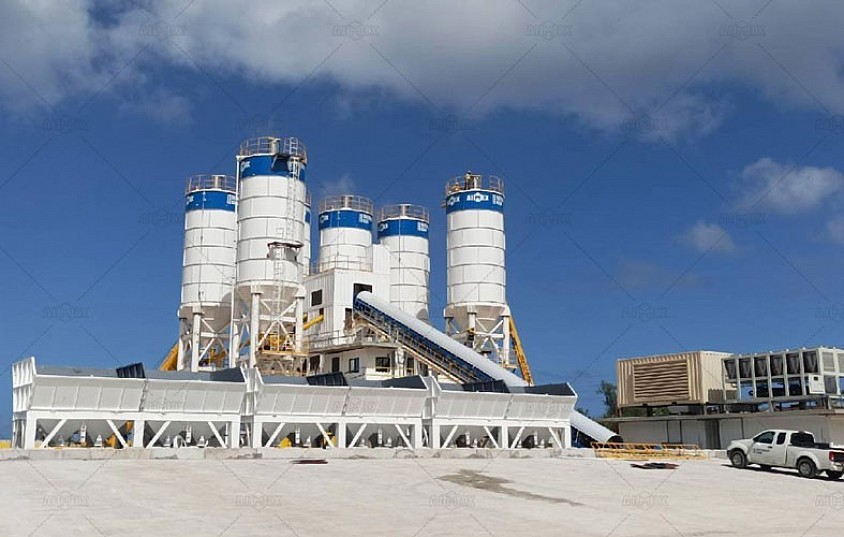
How to Compare the Total Cost of Buying a Concrete Plant From China
Buying a concrete plant from China can offer attractive equipment pricing, but the purchase price alone does not reveal the true investment required to put the plant into productive operation. International buyers must account for transportation, customs, installation, commissioning, electrical requirements, spare parts, labor, and long-term maintenance. A plant with a lower quotation can ultimately become more expensive if its supporting costs are overlooked. Conversely, a slightly higher initial price may represent better value when the equipment includes a more suitable configuration, stronger components, and comprehensive technical support. The most reliable approach is to calculate the total cost of ownership from the factory quotation to the first successful concrete production and then through the expected operating period. This creates a more meaningful comparison between Chinese concrete batching plant suppliers and helps buyers distinguish a genuinely economical concrete plant from one that merely has a low headline price.
Start With the Complete Purchase Cost, Not the Factory Price
Understand What the Quotation Actually Includes
A Chinese concrete plant quotation may include the main batching equipment while excluding several auxiliary components. Before comparing suppliers, buyers should request a detailed equipment list and identify exactly what is included. Important items may include aggregate bins, weighing systems, conveyors, cement silos, screw conveyors, mixers, control systems, water systems, additives systems, electrical cabinets, and supporting structures. Two quotations with similar concrete batching plant prices can therefore represent very different configurations.
Compare Equipment on an Equivalent Basis
The comparison should begin by creating a standardized checklist. Each supplier should quote equipment with comparable capacity, mixer type, automation level, storage capacity, and supporting components. This prevents a deceptively inexpensive quotation from appearing more competitive simply because several necessary components have been excluded.
Calculate International Shipping and Import Expenses
For buyers importing a concrete plant from China, logistics can represent a significant portion of the investment. The final transportation cost depends on equipment dimensions, container requirements, shipping destination, port charges, and the selected Incoterm. Other potential expenses include:
Ocean freight
Marine insurance
Port handling charges
Customs duties and taxes
Documentation fees
Inland transportation to the construction site
These costs should be added to the equipment quotation before comparing the total landed cost.
Include Installation, Commissioning, and Infrastructure Costs
Site Preparation Can Change the Final Investment
A concrete plant requires an appropriate operating area and supporting infrastructure. Depending on the plant configuration, the buyer may need foundations, aggregate storage areas, drainage, electrical connections, water supply, access roads, and cement-silo foundations. A supplier's quotation may not include these civil works. The buyer should therefore obtain a site-preparation estimate before finalizing the equipment purchase. A plant that appears inexpensive at the factory gate can become substantially more costly after extensive site work is added.
Installation and Commissioning Should Be Budgeted Separately
Some buyers assume that equipment installation is automatically included in the purchase price. That is not always the case. Installation may require technicians, cranes, electricians, welders, mechanical workers, and commissioning engineers. If Chinese technicians are required to travel to the project site, expenses such as transportation, accommodation, visas, and service fees may also apply.
Ask About Remote Technical Support
Remote installation guidance can reduce some commissioning expenses. Detailed manuals, wiring diagrams, assembly drawings, video instructions, and online technical assistance can help local technicians complete part of the installation. For larger or more complicated plants, however, professional commissioning may still be worthwhile because incorrect calibration can affect weighing accuracy, concrete quality, and production efficiency.
Check Electrical and Utility Requirements
Electrical compatibility is another frequently overlooked cost. Buyers should confirm the required voltage, frequency, installed power, motor specifications, control system, and local electrical standards before shipment. Additional transformers, generators, cables, switchgear, or electrical protection equipment may be necessary depending on the project location. Water supply and compressed-air requirements should also be included in the operating plan.
Compare Long-Term Operating and Maintenance Costs
Spare Parts Are Part of the Purchase Decision
The cost of concrete batching plant does not end after commissioning. Wear parts, electrical components, sensors, seals, belts, bearings, and other replacement parts will eventually be required. A sensible purchasing strategy is to ask the manufacturer for a recommended initial spare-parts package. Frequently required components can be shipped together with the plant, reducing future freight costs and minimizing downtime.
Evaluate Fuel, Electricity, and Labor Requirements
Operating expenses can vary substantially between different plant configurations. Buyers should compare installed power, energy consumption, automation level, and labor requirements. A highly automated plant may have a higher initial price but reduce manual intervention and improve batching consistency. A simpler plant may cost less initially but require more operators. The correct comparison is therefore based on the cost per cubic meter of usable concrete rather than the equipment price alone.
Reliability Has an Economic Value
Downtime is another hidden cost. If a plant stops operating during a critical concrete pour, the consequences can extend beyond lost production. Labor and equipment may remain idle, construction schedules can be disrupted, and additional concrete supply arrangements may become necessary. Supplier reputation, component quality, maintenance accessibility, and after-sales support should therefore be treated as economic factors rather than secondary considerations.
Use a Total-Cost Comparison Model
A practical calculation can be structured as: Total initial investment = Equipment price + Shipping + Import costs + Site preparation + Installation + Commissioning. Then estimate: Total operating cost = Energy + Labor + Maintenance + Spare parts + Consumables + Expected downtime. Finally, compare the expected cost against the plant's useful production over its operating life. This produces a much more meaningful assessment than comparing factory quotations alone.
Evaluate the Supplier Before Evaluating the Lowest Price
When buying a concrete plant from China, supplier capability can directly affect the total investment. Buyers should examine manufacturing experience, equipment configuration, quality-control procedures, export experience, technical documentation, spare-parts availability, and after-sales service. A supplier offering a comprehensive package may initially appear more expensive, but the additional support can reduce installation errors, commissioning delays, and future maintenance difficulties.
The Lowest Quotation Is Not Necessarily the Lowest Cost
A low factory price can become less attractive if the equipment requires extensive modifications, expensive auxiliary machinery, complicated installation, or frequent replacement parts. The better question is: How much will this plant cost to purchase, install, operate, maintain, and keep productive? That question shifts the evaluation from price comparison to lifecycle economics. For international buyers, the most reliable way to compare a concrete plant from China is to calculate the complete landed and operating cost. Start with the factory quotation, then add logistics, customs, site preparation, installation, commissioning, utilities, spare parts, labor, energy, and maintenance. Once every cost category is visible, suppliers can be compared on a genuinely equivalent basis. The most economical plant is not necessarily the one with the smallest initial price tag. It is the system that provides the required production capacity and concrete quality while maintaining predictable costs throughout its useful service life.
How Distributed Jobsites Change the Economics of Concrete Supply in the UK
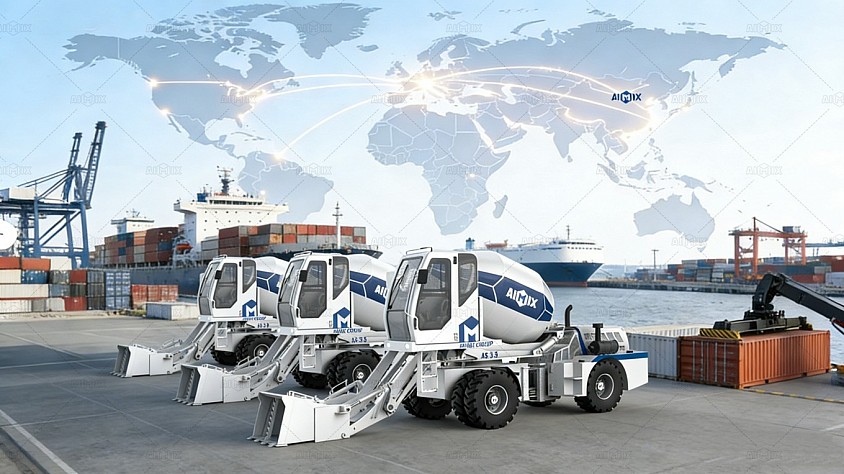
Concrete supply economics in the UK are changing as construction projects become increasingly distributed across multiple locations. A single development may involve road sections, utility works, foundations, drainage structures, and remote work fronts separated by considerable distances. Under these conditions, the cost of concrete is not determined simply by its quoted price per cubic metre. Distance, order volume, delivery frequency, site access, waiting time, and project duration can materially reshape the final cost of concrete supply. The conventional ready-mix model remains highly effective where demand is concentrated and deliveries can be scheduled efficiently. Yet dispersed or intermittent projects may have a different cost structure. On-site production using equipment such as self loading concrete mixer for sale uk can reduce dependence on external deliveries by moving part of the concrete supply chain directly onto the jobsite. The more fragmented the project becomes, the more important this distinction can be.
Why Distributed Jobsites Alter the Cost Structure of Concrete Supply
Distance Is More Than a Transport Cost
For a centralized construction site located close to a ready-mix supplier, concrete delivery can be relatively straightforward. Trucks make short journeys, return quickly, and can complete several delivery cycles during a working day. The economics become less favorable when the distance between the batching plant and jobsite increases. Each delivery requires vehicle time, fuel, driver availability, and road access. More importantly, long travel distances reduce the number of delivery cycles that one truck can complete. This creates a compounding effect. A project requiring frequent small deliveries may consume substantial logistical resources even when the actual volume of concrete is modest. For distributed UK construction sites, therefore, distance should be evaluated alongside concrete volume rather than treated as an isolated transport variable.
Order Volume and Delivery Frequency Can Change the Equation
Ready-mix supply is naturally suited to projects that require substantial quantities of concrete within concentrated pouring windows. Large foundations, major slabs, commercial structures, and substantial infrastructure works can justify coordinated truck deliveries because the available concrete demand is sufficiently dense. A different situation emerges when concrete is required in smaller batches across several work fronts. For example, a project might need concrete today for a drainage structure, several days later for a foundation, and later still for another remote section. Each order may be relatively small, but the delivery process still requires a truck, scheduling, travel, and unloading. In such circumstances, the nominal ready-mix price does not represent the complete supply cost.
Ready-Mix Model vs. On-Site Production Model
When the Ready-Mix Model Has the Economic Advantage
Ready-mix concrete has a powerful logistical advantage: the production infrastructure already exists. Contractors do not need to operate a batching system, stockpile aggregates, or manage concrete production themselves. This model is particularly compelling when: * Concrete demand is high and concentrated. * The project is close to a suitable ready-mix supplier. * Deliveries can be scheduled continuously. * Site access is suitable for mixer trucks. * The construction programme requires large-volume pours. Under these conditions, the ready-mix model can offer excellent productivity. The external supplier absorbs much of the production responsibility, while the contractor concentrates on placement and construction.
When On-Site Production Becomes More Attractive
On-site production changes the economic equation by relocating concrete production closer to consumption. A self loading concrete mixer can load aggregates, weigh or proportion materials, mix concrete, and deliver it around the construction site without requiring a separate stationary batching plant and continuous fleet of transit mixers. This approach can be particularly relevant for distributed jobsites, remote works, maintenance projects, and developments where concrete demand is intermittent. The important point is not that on-site production is always cheaper. It is not. Its economic advantage depends on whether the savings from reduced transportation and greater production flexibility outweigh equipment ownership, fuel, labour, maintenance, and material-handling costs.
Distance × Volume × Frequency
A useful way to assess the two models is to examine the relationship between three variables: how far concrete must travel, how much is required, and how often it must be delivered. A high-volume project requiring thousands of cubic metres in a concentrated period may strongly favor centralized ready-mix production. A lower-volume project spread across distant work fronts may have a very different profile. As delivery distance and frequency increase while individual order volumes remain relatively small, the logistical inefficiency of external supply can become increasingly significant.
Five Variables That Determine the Real Cost
Waiting Time and Site Access
Concrete trucks operate according to a schedule, but construction sites rarely behave with perfect synchrony. Reinforcement, formwork, excavation, pumping, and inspection must all align before concrete can be discharged. If a truck arrives before the site is ready, waiting time can become an indirect project cost. Difficult entrances, narrow roads, temporary access routes, or congested urban areas can amplify the problem. An on-site mixer changes this dynamic because production can be synchronized more closely with actual placement requirements.
Project Duration Changes Equipment Economics
Project duration is another decisive variable. Purchasing or deploying on-site production equipment requires capital and operating resources, so a very short project may not justify the investment. For longer projects, however, repeated concrete deliveries can accumulate substantial logistical costs. The ability to produce concrete throughout the project can improve equipment utilization and distribute the initial investment across a larger volume of work. This is why equipment selection should be based on lifecycle economics rather than a single purchase-price comparison.
What Does the UK Market Actually Require?
Searches for terms such as self loading concrete mixers UK, concrete mixer UK, and self loading concrete mixer for sale UK reflect growing interest in more flexible concrete production arrangements. However, choosing equipment should begin with project characteristics rather than the keyword or machine category itself. A contractor should first calculate expected concrete volume, delivery distance, required production frequency, available site space, access conditions, labour availability, and project duration. Only then can the relative economics of ready-mix supply and on-site production be assessed rationally. Ultimately, distributed jobsites do not make one concrete supply model universally superior. They make the hidden variables more consequential. Ready-mix remains highly efficient when demand is concentrated and logistics are favorable. On-site production becomes increasingly compelling when distance, fragmented demand, frequent small deliveries, difficult access, and long project durations begin to erode the efficiency of centralized supply. The real question is therefore not simply “Which concrete is cheaper?” It is “Which supply model minimizes the total cost of getting usable concrete to the exact place and time it is needed?” In a geographically dispersed UK construction environment, that distinction can materially change the economics of the entire project.
Why Small Concrete Jobs May Benefit From Mixing and Pumping at the Same Location in Nigeria
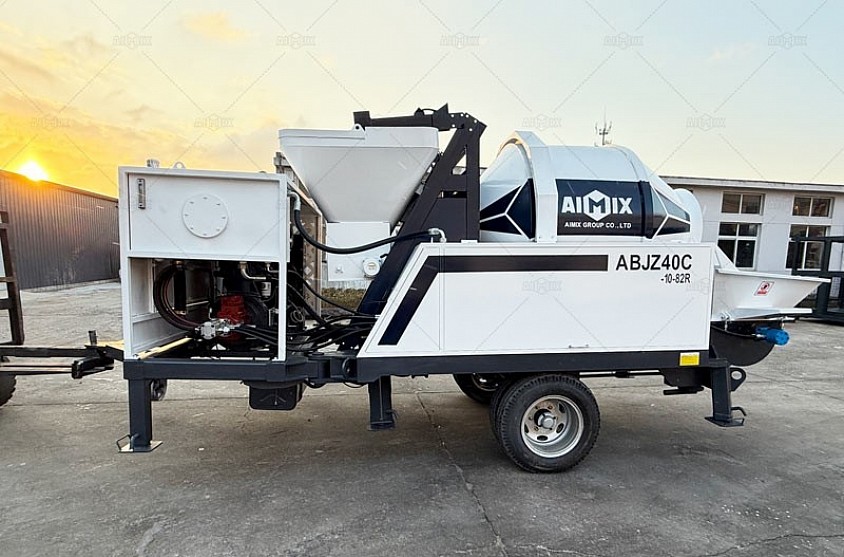
Small concrete projects in Nigeria often face a logistical contradiction. The amount of concrete required may be relatively limited, yet moving that concrete from a conventional production point to the actual placement area can demand considerable time, labor, and coordination. Residential foundations, house extensions, drainage channels, retaining walls, floor slabs, and small commercial developments may not justify the infrastructure of a large centralized concrete supply operation. At the same time, manual concrete handling can become inefficient when the placement point is far from the mixing area or difficult to access. Concrete mixing and pumping at the same location offers another approach, bringing the two critical operations closer together and reducing unnecessary material movement.
Why Conventional Concrete Logistics Can Be Inefficient for Small Nigerian Projects
Small Concrete Volumes Can Still Create Large Logistical Demands
A project does not need thousands of cubic meters of concrete to experience supply difficulties. In fact, small projects can sometimes be more vulnerable because their concrete requirements are fragmented. A residential contractor may need concrete for a foundation today, a slab several days later, and drainage structures during another phase. Arranging separate deliveries for each relatively small requirement can create unnecessary coordination. Transportation is another variable. If concrete has to travel a significant distance before reaching the site, traffic, road conditions, and scheduling can affect delivery timing. Fresh concrete also has a finite workable period, making unnecessary delays undesirable.
Manual Handling Becomes a Hidden Productivity Cost
When a ready-mix truck cannot approach the placement area, workers may have to move concrete manually. Wheelbarrows, buckets, and other basic methods can work for very small pours, but they become cumbersome as the distance increases. The problem is not merely slower movement. Manual transportation also requires more workers and creates interruptions between mixing and placement. For small Nigerian construction teams, where keeping labor productive is important, mechanizing concrete delivery can therefore make a disproportionate difference.
How Mixing and Pumping at the Same Location Changes the Workflow
Shortening the Path From Raw Materials to Placement
An integrated concrete mini pump machine solution changes the conventional sequence. Instead of producing concrete at one location, transporting it with another machine, and then pumping it with separate equipment, concrete can be mixed close to the construction area and delivered directly through a pumping system. The material path becomes shorter. This can reduce unnecessary handling and simplify coordination between equipment and workers. Once concrete is ready, pumping can begin without waiting for a separate mixer truck to arrive at the discharge point.
Production and Placement Become One Coordinated Operation
The practical advantage is synchronization. Concrete production can be adjusted according to the actual pace of placement. If workers need a steady supply, the system can continue producing and pumping. If placement slows, production can be adjusted accordingly. This creates a more responsive workflow than a rigid delivery schedule based on truck arrivals.
Reducing Equipment Movement Around the Construction Site
Construction sites in Nigeria can vary significantly in layout. Urban projects may have restricted access, while developing areas can have uneven or unprepared routes. An integrated concrete pump for sale in Nigeria reduces the need for several independent machines to move around the site. The equipment can remain positioned in a suitable area while concrete travels through a delivery pipeline toward the placement point. This can be particularly useful for foundations, trenches, retaining structures, and other applications where the final concrete placement area is difficult for large vehicles to reach.
Making Small Projects More Flexible
Small projects rarely follow the perfectly predictable rhythm of a large infrastructure contract. Construction sequences can change because of weather, material availability, labor scheduling, or site conditions. Producing concrete at the project location gives contractors greater flexibility over when concrete is made. Instead of relying entirely on an external concrete supplier's delivery schedule, the contractor has greater control over production and placement. That autonomy can be valuable when project quantities are small or concrete is required intermittently.
When an Integrated Concrete Solution Makes Practical Sense in Nigeria
Residential and Small Building Construction
House construction and small commercial developments are natural applications for localized mixing and pumping. Foundations, columns, beams, slabs, staircases, and other structural elements may require concrete in different quantities and at different stages. A compact integrated system can serve these individual requirements without requiring a large concrete production setup. For contractors working across multiple residential sites, the mobility of such equipment can further improve its usefulness.
Drainage, Roads, and Small Infrastructure Projects
Concrete is also used extensively for drainage channels, culverts, roadside structures, pavement-related works, and other localized infrastructure applications. These projects may be spread across relatively large areas while requiring comparatively modest quantities of concrete at each work section. An integrated mixing and pumping arrangement can produce concrete near the active work zone and deliver it directly where required. This reduces the need to transport fresh concrete over unnecessary distances.
Useful for Projects With Difficult Access
Some construction locations simply cannot accommodate a conventional concrete truck close to the pouring point. Narrow roads, congested neighborhoods, unfinished access routes, or confined sites can make direct vehicle discharge impractical. Pumping provides an alternative route. The equipment can remain at an accessible position while the concrete pipeline bridges the gap between production and placement.
Evaluate the Complete Cost Rather Than Concrete Price Alone
For small projects, equipment decisions should be based on total operational cost rather than the price of concrete itself. Contractors should consider transportation, labor, waiting time, equipment rental, site access, fuel, and potential delays. A seemingly inexpensive concrete supply arrangement can become costly when workers spend hours manually moving material or when delivery vehicles repeatedly travel long distances. Mixing and pumping at the same location can reduce some of these indirect costs by consolidating concrete production and delivery. The concept is straightforward: when concrete does not have to make an unnecessary journey before reaching the structure, the construction process can become shorter and easier to control. Small concrete projects in Nigeria do not necessarily need complicated concrete logistics. They need a solution proportionate to their scale and site conditions. Mixing and pumping at the same location can provide that proportionality by bringing concrete production closer to the point of use, reducing manual handling, limiting unnecessary transportation, and giving contractors greater control over when and where concrete is delivered. For residential construction, small infrastructure, drainage works, foundations, and other localized projects, the value lies in integration. The fewer unnecessary steps between mixing and placement, the easier it becomes to keep concrete moving and construction progressing.
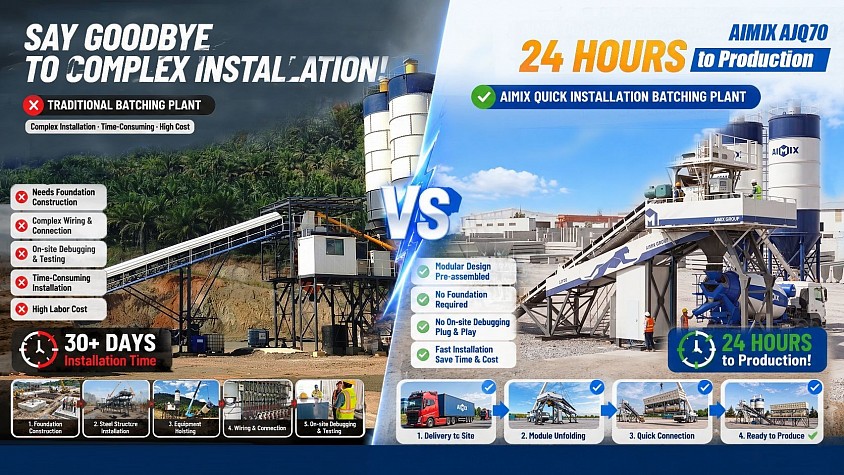
Less Assembly on Site: The Real Value Behind a Factory-Ready Portable Batching Plant
A portable concrete batching plant is often promoted for its mobility, compact structure, and ability to serve projects in changing locations. Yet another characteristic can be equally consequential: how much of the plant is already prepared before it reaches the construction site. Traditional equipment may arrive as numerous components requiring extensive assembly, alignment, wiring, and commissioning. The machinery itself may be capable, but the project must spend considerable time turning separate parts into an operational system. A factory-ready portable batch plant for sale approaches this problem from a different angle. More components can be preassembled, tested, and configured before shipment, shifting a substantial portion of the installation workload from the construction site to a controlled manufacturing environment. The value is therefore not simply “faster installation.” It is the reduction of site-based uncertainty, labor requirements, commissioning complexity, and idle time before concrete production begins.
Why On-Site Assembly Becomes a Hidden Construction Cost
When a batching plant arrives at a project site, assembly can involve much more than mechanical installation. Supporting structures may need to be positioned, components aligned, electrical systems connected, control systems configured, and individual units tested. Every additional assembly procedure requires labor, tools, lifting equipment, and technical supervision. For a large permanent plant, these requirements may be acceptable because the equipment is expected to remain operational for years. For a portable plant intended for temporary, remote, or rapidly deployed projects, however, excessive installation work can undermine one of its primary advantages: mobility.
A factory provides a controlled environment. Construction sites do not. Weather, uneven ground, limited lifting access, material congestion, temporary power supplies, and shortages of skilled technicians can all complicate equipment assembly. Even a straightforward installation procedure can become protracted when several site constraints occur simultaneously.
The more work that must be completed on site, the more opportunities exist for installation errors, misalignment, damaged components, or incomplete connections. These issues may not become apparent until commissioning begins. Factory preparation shifts much of this complexity into a controlled production environment, where tools, technicians, testing equipment, and standardized procedures are readily available.
How Factory-Ready Design Reduces Installation Complexity
The central principle behind a factory-ready portable batching plant is straightforward: complete as much work as practical before transportation. Major components can be assembled, connected, inspected, and tested at the manufacturing facility. Instead of receiving a collection of disconnected parts, the contractor receives a system that is substantially closer to operational condition. This creates a more compressed installation process. The difference may appear subtle on a specification sheet, but it becomes tangible once the equipment reaches the project site. Fewer assembly procedures mean fewer working hours and less dependence on temporary installation resources.
Preassembly also creates an opportunity for systematic testing before shipment. Mechanical components can be inspected, electrical connections checked, and control functions verified under factory conditions. This does not eliminate the need for site commissioning. Site-specific installation and final testing remain essential. However, the starting point is different. Instead of troubleshooting a system assembled entirely under field conditions, technicians can focus on final connections, calibration, and operational verification.
A factory-ready configuration can reduce the number of unknowns encountered during startup. This is particularly valuable when technical support is difficult to access or when the project schedule leaves little tolerance for commissioning delays. The plant arrives with a greater degree of operational maturity.
Portability is sometimes interpreted simply as the ability to move equipment from one location to another. In practical construction, however, portability has several dimensions. A genuinely mobile batching plant for sale should be relatively easy to transport, install, operate, dismantle, and relocate. If the first installation requires extensive labor and specialized equipment, the cost of relocation may become disproportionate to the benefits of mobility. Factory-ready construction strengthens the entire mobility cycle.
Why Faster Commissioning Creates Broader Project Value
The most obvious benefit of simplified assembly is time. But the real value of time lies in what it allows the project to accomplish. A batching plant that enters production earlier can support concrete works sooner. Foundations, columns, slabs, roads, drainage structures, and other activities dependent on concrete supply can proceed according to the planned sequence. In fast-track projects, this can be decisive. A few days saved during equipment installation may prevent a much larger scheduling disruption later because concrete production often sits near the center of multiple interconnected construction activities.
Complex installation can require experienced electricians, welders, mechanical technicians, lifting operators, and commissioning specialists. Mobilizing these personnel to a remote construction site can be expensive and logistically cumbersome. Factory-ready equipment reduces the amount of specialist work required after delivery.
On remote sites, labor shortages can become more problematic than equipment shortages. Skilled technicians may need to travel long distances, arrange accommodation, or remain on site for several days. Reducing assembly requirements can therefore produce savings beyond direct labor costs. It can simplify project logistics and reduce the amount of time specialized personnel need to remain deployed.
The purchase price of a portable batching plant tells only part of the economic story. Installation labor, lifting equipment, commissioning time, transportation, temporary infrastructure, and potential delays all contribute to the actual deployment cost. A factory-ready plant may command a higher initial price than a more basic configuration. Yet if it substantially reduces site assembly and startup requirements, the difference can be recovered through lower deployment costs and earlier production. The more frequently a plant is moved between projects, the more important this calculation becomes. Ultimately, the real value of a factory-ready mini concrete batching plant lies in what happens before and after delivery. More work is completed in the factory, fewer tasks remain for the construction crew, and the transition from transportation to concrete production becomes more direct. The concept is simple but consequential: **the best portable equipment is not merely easy to move; it is easy to put into operation.** By reducing on-site assembly, factory-ready design can shorten installation, simplify commissioning, reduce dependence on specialized labor, and protect construction schedules. For contractors operating under tight timelines or difficult site conditions, that operational simplicity can be worth considerably more than the apparent savings offered by a lower-priced but assembly-intensive alternative.